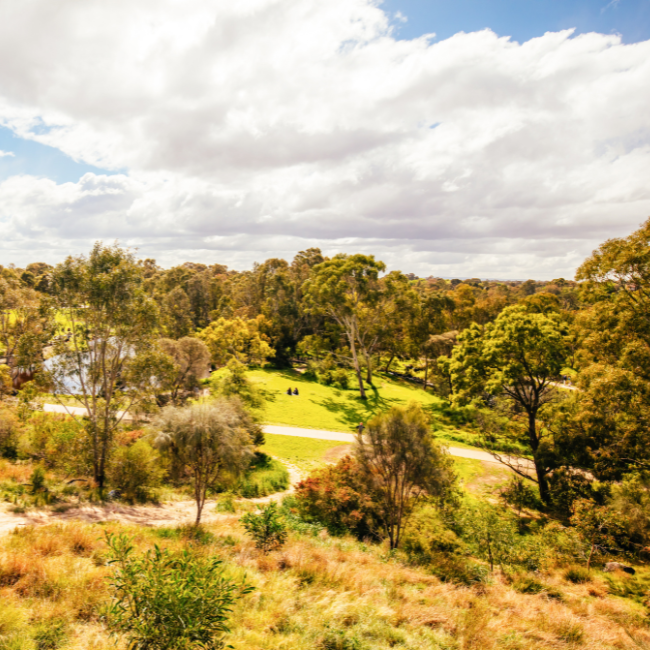
Planning for Leisure and Open Space That Communities Value
How Councils Can Deliver Sustainable, Equitable and Fit-for-Purpose Recreation Networks
Across Australia, councils are responsible for planning, maintaining, and investing in vast networks of parks, open spaces, sportsgrounds and recreation facilities. These spaces play a critical role in community wellbeing supporting physical activity, social connection, inclusion, environmental outcomes, and local identity.
But as communities grow and change, the expectations placed on councils’ leisure and open space networks are increasing. Population growth, changing recreation trends, climate pressures, financial constraints and ageing infrastructure are all converging – making traditional, reactive approaches to open space planning increasingly difficult to sustain.
Councils that are taking a more strategic, evidence-based approach to leisure and open space planning are better positioned to balance community expectations with long-term financial and operational sustainability.
This blog explores:
- Why leisure and open space planning is becoming more complex
- The common challenges councils face
- What best-practice open space strategies focus on
- How structured frameworks support better decision-making
- How CT Management Group supports councils in this space
The Reality: Leisure and Open Space Networks Are Under Increasing Pressure
Councils manage a diverse range of open spaces from regional sportsgrounds and community parks to neighbourhood reserves, natural areas, drainage corridors and Crown land.
Nationally, councils are facing common pressures:
- Growing and changing populations
- Increased demand for inclusive, accessible and multi-use spaces
- Ageing parks and recreation infrastructure
- Rising maintenance and lifecycle costs
- Water security and climate impacts
- Competing budget priorities
- Community expectations for transparency and equity
In many cases, councils have inherited large and complex open spae portfolios that were developed incrementally over time – often without a clear long-term strategy guiding provision, service levels or investment.
Without a structured approach, councils can find themselves:
- Over-servicing some areas while under-servicing others
- Maintaining assets that no longer align with community need
- Struggling to prioritise investment objectively
- Managing increasing operational and renewal backlogs
This is why contemporary leisure and open space strategies are no longer just “nice to have” they are essential planning tools.
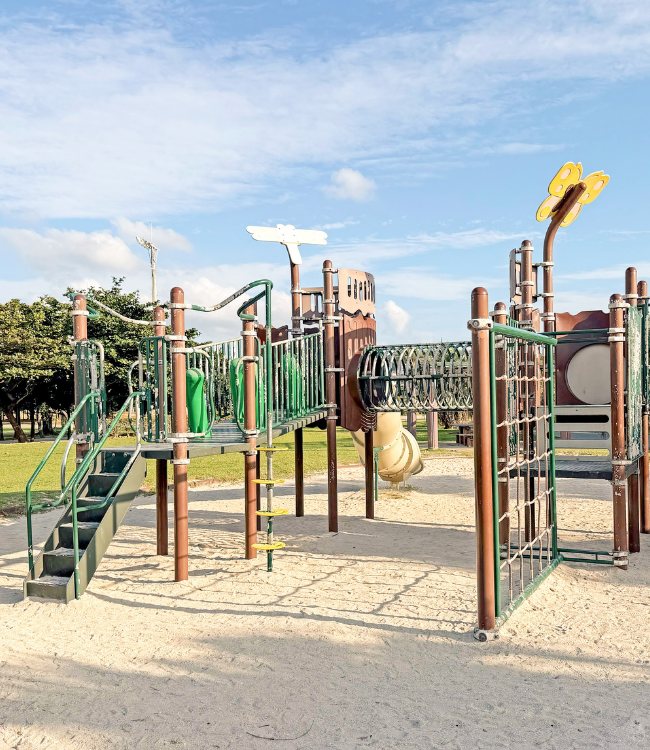
Why Strategic Leisure and Open Space Planning Matters
A well-developed leisure and open space strategy provides councils with a clear framework for making consistent, data driven and evidence-based decisions.
At its core, a best-practice strategy helps councils to:
- Understand what assets they have and how they are used
- Define clear hierarchies and service levels
- Align provision with population needs and growth
- Balance quality, accessibility and sustainability
- Prioritise investment and renewal
- Support long-term financial planning
Rather than responding to individual requests or ad hoc upgrades, councils are able to make decisions that are fair, transparent, and aligned with their broader strategic objectives.
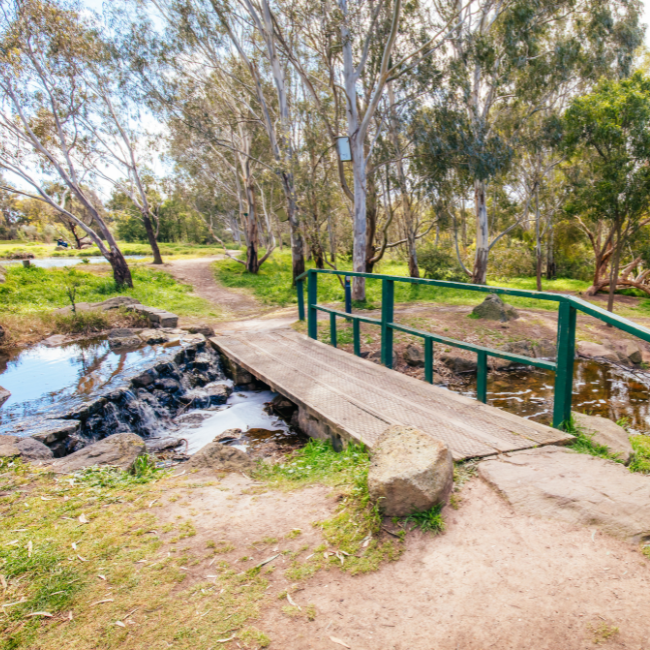
What Best-Practice Open Space Strategies Focus On
Based on recent strategies delivered across clients nationally, effective leisure and open space planning consistently addresses the following themes.
Clear Hierarchies and Service Levels
Defining park and sportsground hierarchies such as regional, district, community, neighbourhood and passive open space provide clarity around:
- Purpose and function
- Catchment and accessibility
- Expected facilities and inclusions
- Maintenance and service standards
This helps councils avoid duplication, manage expectations and allocate resources more effectively.
Evidence-Based Needs and Demand Analysis
Best-practice strategies are underpinned by robust data, including:
- Population and growth projections
- Participation trends
- Community engagement and feedback
- Asset condition and utilisation
- Risk and cost analysis
This ensures planning decisions are informed by evidence, not assumptions.
Equity and Accessibility
Modern strategies focus strongly on equitable access ensuring open spaces are:
- Distributed fairly across communities
- Accessible to people of all ages and abilities
- Designed using inclusive and universal design principles
This is particularly important in regional, rural and growth areas.
Financial and Environmental Sustainability
Councils are increasingly required to demonstrate that open space networks are financially and environmentally sustainable over the long term.
Strategies now consider:
- Lifecycle and maintenance costs
- Water use and irrigation
- Climate resilience
- Opportunities to rationalise or repurpose underutilised assets
- Multi-use facilities that maximise value
Integration With Broader Council Planning
Effective leisure and open space strategies do not operate in isolation. They are aligned with state-specific requirements and integrated with key strategic planning frameworks, including:
- Community Strategic Plans
- Asset Management Plans
- Long-Term Financial Plans
- Housing and growth strategies
- Capital works programs
This integration ensures open space planning supports broader organisational objectives.
From Paper to Practice: Why Structure and Framework Matter
One of the biggest challenges councils faces is moving from strategy to implementation.
Clear frameworks such as service provisioning standards, park hierarchies and prioritisation models, provide a practical bridge between planning and delivery.
They help councils:
- Support investment decisions
- Manage competing priorities
- Communicate clearly with councillors and communities
- Support operational teams with consistent guidance
Without this structure, even well-written strategies can struggle to drive real outcomes.
How CT Management Group Supports Leisure and Open Space Planning
CT Management Group works with councils across Australia to develop practical, evidence-based leisure and open space strategies that stand up to real-world constraints.
Our support includes:
- Needs and demand assessments
- Community and stakeholder engagement
- Open space and sportsground hierarchy development
- Service provisioning frameworks
- Asset rationalisation and sustainability reviews
- Integration with asset and financial planning
- Implementation and delivery support
We bring deep local government experience and a strong understanding of the operational, financial and governance realities councils face.
Practical Steps Councils Can Take Now
If your council is reviewing or planning its leisure and open space strategy, consider:

Immediate Actions
- Review existing open space assets and service levels
- Identify duplication, gaps and sustainability risks
- Check alignment with growth and financial plans
Short-Term Priorities
- Undertake a needs and demand assessment
- Define clear hierarchies and standards
- Engage communities early and meaningfully
Longer-Term Focus
- Embed strategies into capital and operational planning
- Monitor performance and utilisation
- Review and update regularly
Planning Open Spaces for the Long Term
Leisure and open space networks are among the most visible and valued assets councils manage. Getting them right requires more than good intentions, it requires evidence, structure and long-term thinking.
Councils that invest in strategic, integrated leisure and open space planning are better positioned to deliver spaces that are:
- Valued by communities
- Financially sustainable
- Operationally practical
- Resilient into the future
CT Management Group is proud to support councils in shaping open space networks that truly serve their communities – now and for generations to come.
Contacts us about our Leisure and Open Space Planning Services